At its height, the COVID pandemic caused supply chains to grind to a halt. The impact is still being felt today. Businesses still struggle to reach pre-pandemic throughput levels. With varying scales of lockdowns closing warehouses and stopping manufacturing lines around the globe, supply chains were fundamentally changed. Buyer-supplier relations were negatively impacted and thousands of businesses saw their “bottom line” suffer because of limited stock availability.
Even now, more than a half-a-decade later, supply chains are still struggling to rebound. The long-term effects continue to be felt as a lack of inventory visibility combined with raw material shortages are complicating the process of scaling up to meet demand. One of the most prominent examples of this comes from the global semiconductor chip shortage. The lack of availability affects a range of technology and automotive products.
As manufacturing stopped and remote working became the primary solution for many organizations, consumer demand only increased. Once production began again, suppliers were dealing with a significant backlog, projected not to be clear until 2023.
The Need for Change
Back-end issues highlighted a number of cracks within supply chain models, particularly within retail businesses. Post-pandemic, many retailers began to recognize the importance technology plays in creating and maintaining an efficient supply chain. According to research by Ernst & Young (LLP), 64% of supply chain executives said their digital transformation will accelerate due to the pandemic.
While some retailers have found solutions, many are still searching for ways to improve efficiency in their supply chain. Ultimately, the goal is to streamline operations from the manufacturer to the shop floor. This goal can be accomplished with RFID technology.
Deploying RFID & Tracking Items
By implementing item-level RFID, retailers can significantly improve the flow of operations while minimizing their costs. Items can be tracked all the way from the production line to the warehouse, and everywhere in between. Stock levels can be managed appropriately, and retailers can optimize their revenue streams effectively.
Using ClarityRFID Inspire™ RFID tags, retailers can track items at every touchpoint across the supply chain in near real-time. Combined with Clarity®, users have access to and visibility over all tagged items in all locations. They can also effortlessly track, manage, or redirect inventory at the touch of a button.
The Supply Chain Efficiency Formula
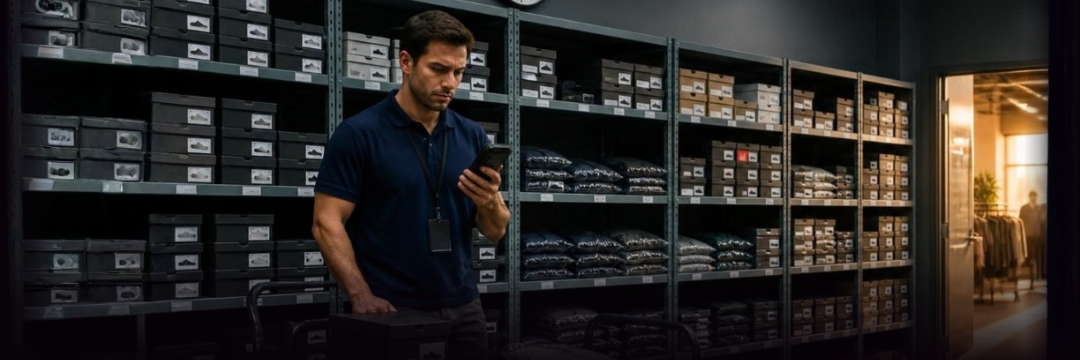
According to the State of Retail Insight Report Part 1, employees spend an average of 14.6 hours per week carrying out manual inventory tasks, such as counting, finding, and transferring. Respondents reported additional time was spent on performing similar tasks. Because RFID allows retailers to complete this task more efficiently and effectively, high levels of inventory accuracy are achieved and maintained.
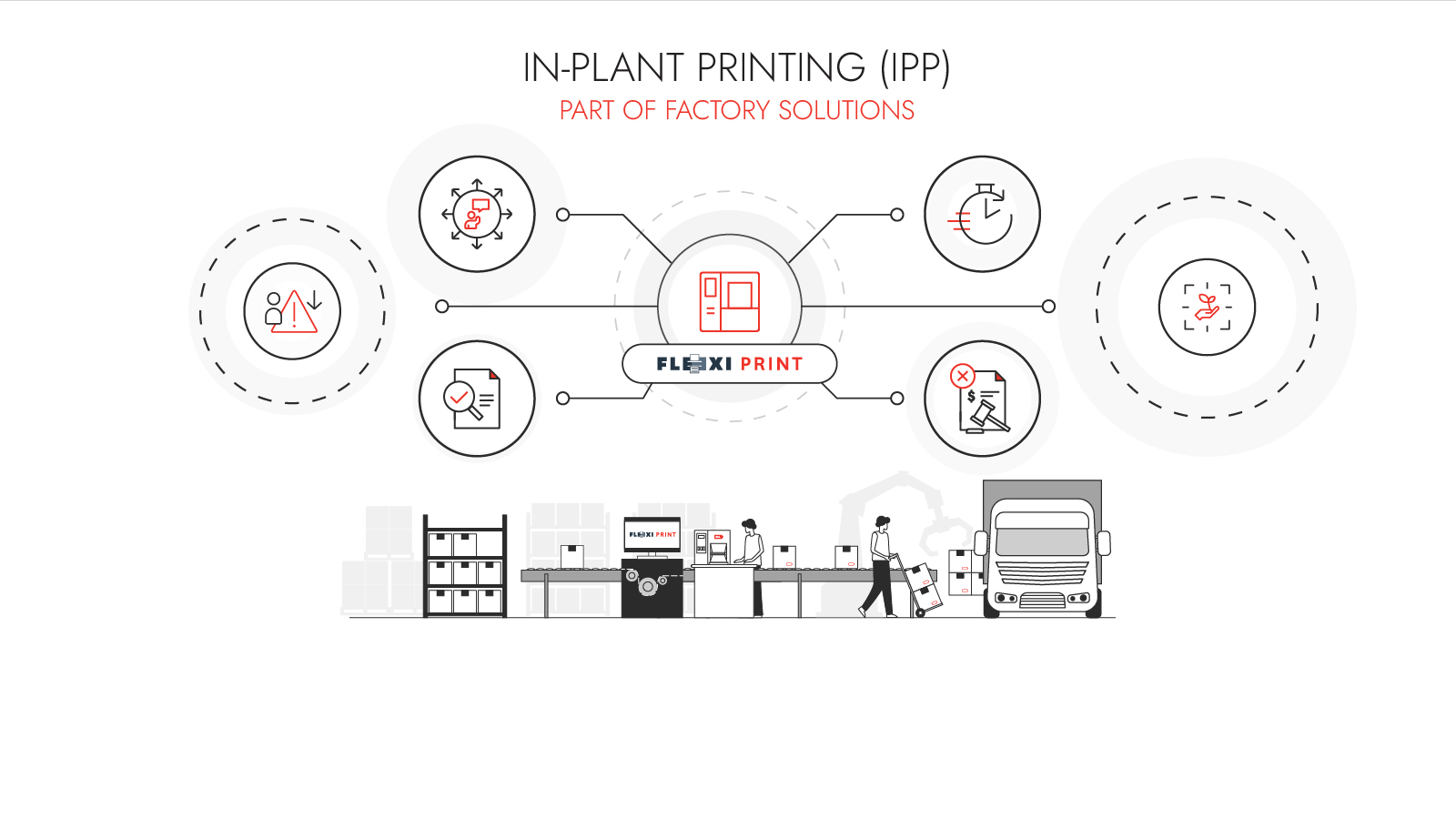
By placing RFID-enabled workstations in distribution centers and warehouses, retailers can easily perform audits of outbound shipping and inbound receiving. They can also perform quality checks, packing functions, and shipping verifications; as well as facilitate the execution of click-and-collect purchases. These features can be configured and automated to retain or improve current throughput levels, while also increasing accuracy.
As a result of this, retailers can move items along the supply chain and into the store as quickly as they need to. Overall, item-level RFID technology increases the speed and accuracy of supply chain processes significantly. As a result, retailers can make smarter, quicker decisions about their supply chain. When employees use RFID terminals or mobile devices to streamline omnichannel processes and execute tasks, labor efficiency also improves.
Optimizing Revenue & Minimizing Environmental Impact
Implementing item-level RFID technology doesn’t only result in optimized efficiency throughout the supply chain. It also enables retailers to maximize their revenue. With enhanced visibility from production through the supply chain to retail stores, retailers can better understand their operations.
Taking this approach means they can re-direct stock and allocate it throughout the supply chain, at the most effective cadence. It also allows them to identify areas where they have excess items, and optimize the allocation of stock. Retailers can order only what they need, potentially lowering manufacturing, storage, and transportation costs, and eliminate bloated inventory. Furthermore, it empowers sustainable business practices. Not only does this provide a financial savings, it also helps retailers minimize the CO2 emissions produced through manufacturing and transportation.
As retailers continue to search for ways to create supply chain efficiency, they are discovering that RFID technology plays an important role in accurately tracking inventory at every touchpoint. Partnering with an experienced RFID provider creates long-term sustainability in the supply chain, and supports business growth. Currently, retailers are optimizing operations to meet the growth of omnichannel selling, and in doing so they are positioning themselves to adapt to future supply chain disruptions.