

Every order you accept is one you can fill.
Online sells what the stock file says is there. When that file is wrong, the store takes the blame and the customer gets the apology. Accurate item-level inventory is the only real fix, and everything else is a safety buffer that costs you sales.
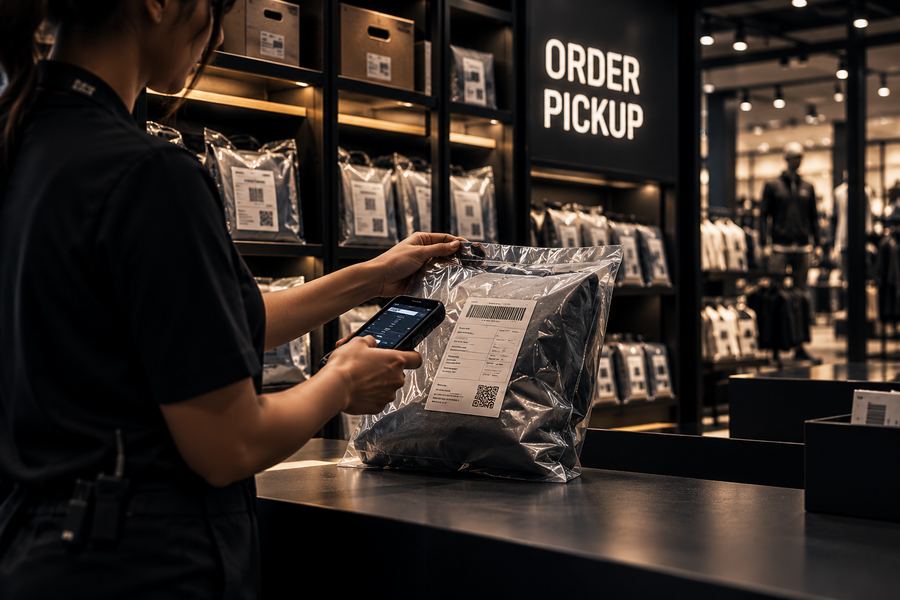
The promise and the shelf finally agree.
Four places where inaccurate inventory reaches the person paying you, and what changes when the record underneath is item-level.
Orders you can fill
Fulfillment runs against a live item-level position, so an order accepted online is one the store can actually find.
Faster picking
Multi-order picking with collection confirmation and printer integration, and picked items are marked so the next stock count does not double-count them.
Size availability
Stock Explorer shows what is really on the floor and in the stockroom, and what another store holds, before a customer is told no.
Smaller buffers
Safety stock exists to cover inaccuracy. As accuracy rises, the buffer you hold back from sale can come down.
- Fulfillment
- BOPIS and ship-from-store
- Picking
- Multi-order
- Picked stock
- Excluded from counts
- Buffers
- Lower, or gone
Cancellations are an inventory problem wearing a customer-service costume.
Every cancelled click-and-collect order started as a number that was wrong. The contact center handles the consequence, the store carries the blame, and the cause sits in the stock file.
What the other teams need to know.
An RFID program touches four other teams, and each arrives with a different question. These are their answers.
Measure it before you argue about it.
Thirty days in one or two stores gives you your real accuracy number, which is a better argument than anyone else in the room will have.